
Sudan’s museum collections have become a serious provenance problem for the global antiquities market. The country’s antiquities authority estimates that treasures worth $150 million have been looted since the conflict began, with artifacts moving from damaged museums into cross-border smuggling routes and private resale channels.
The alleged looting has affected the Sudan National Museum and regional institutions including the Sultan Ali Dinar Museum and the Nyala Museum, with collections spanning the Stone Age through the Islamic era. The pattern points to a basic market vulnerability. Compact, high-value items such as gold, jewelry, paintings and pottery can be moved quietly, sold through informal dealers, or placed on online platforms before their origins are properly questioned.
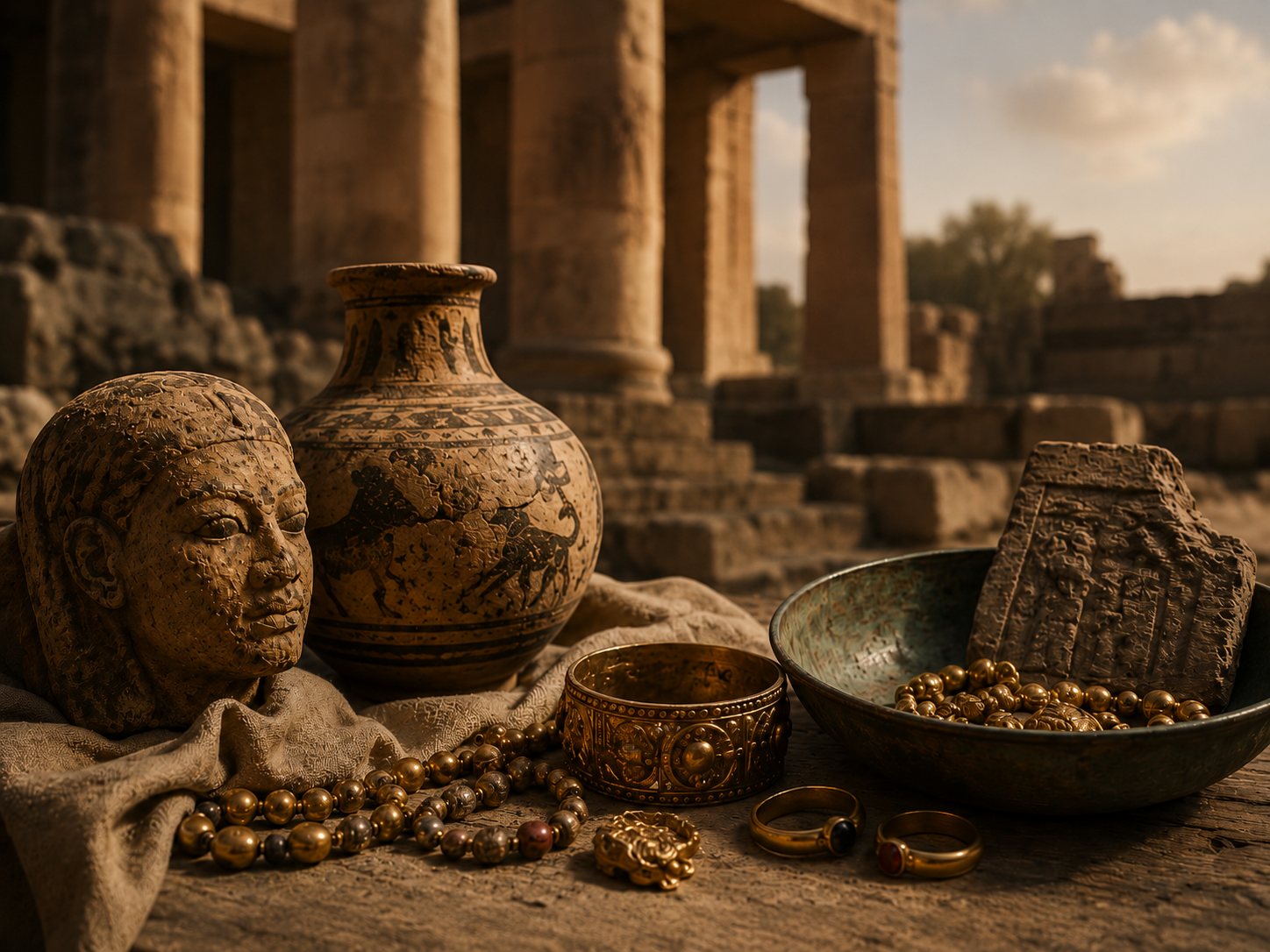
For collectors, museums, auction houses and digital marketplaces, the commercial issue is documentation. Once an artifact passes through smugglers, intermediaries and private buyers, recovering it becomes slow, expensive and uncertain. Objects that lack reliable ownership records can expose buyers and platforms to legal claims, reputational damage and future restrictions on resale.
Online listings have already drawn scrutiny from experts, and international cultural bodies have warned market participants against handling Sudanese artifacts without reliable provenance. That places greater pressure on buyers and sellers to verify ownership history before an object enters commercial circulation, especially when it comes from a country with active heritage losses.
Weak documentation, fragmented enforcement and opaque resale channels allow stolen public assets to become tradeable inventory. Sudan’s cultural loss has become a market oversight problem, with priceless objects entering circulation whenever provenance standards fail to keep looted artifacts out of legitimate commerce.
Sorry, comments are closed for this post.